Dolmabahçe Palace
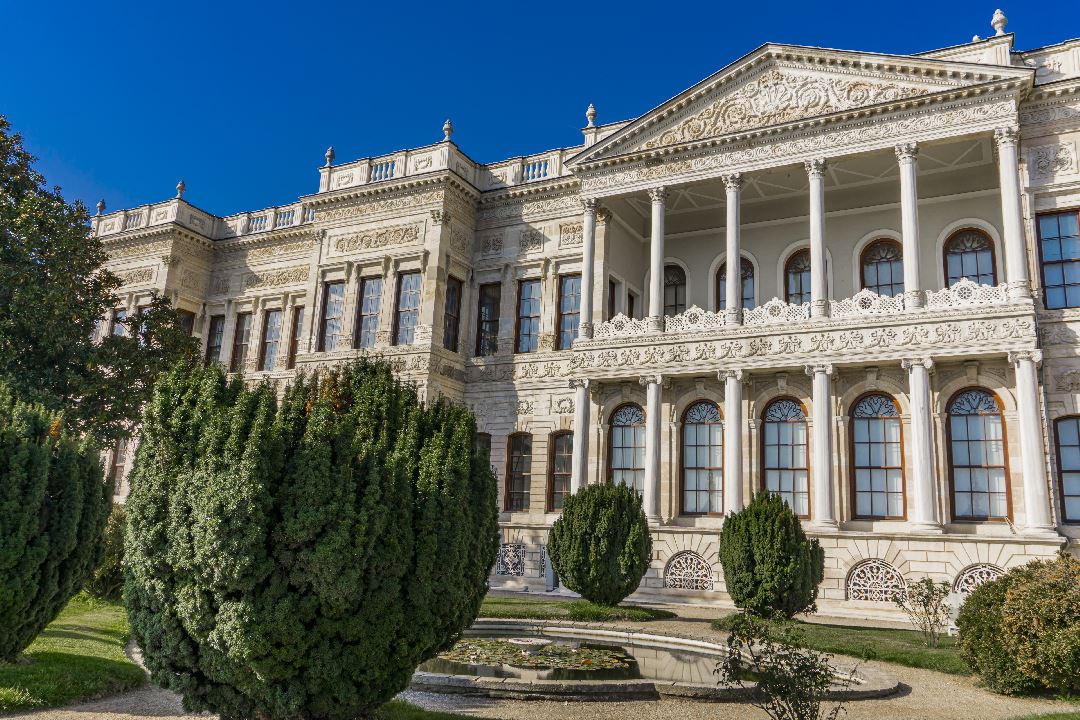
Built between 1843-1856 as a mixture of European art styles. This palace, which has the largest ballroom among all palaces in the world, has survived to the present day with its interior decoration, silk carpets and curtains, furniture and all other items in their original form. Dolmabahçe Palace is a seaside palace with a wealth and splendor not found in any other existing palace. The walls and ceilings are decorated with paintings by European artists of the period and gold ornaments weighing tons. The palace has been serving as a museum since 1984. This magnificent palace that has witnessed history, whose details cannot be finished, is among the top places to see in Istanbul.
Beyoğlu
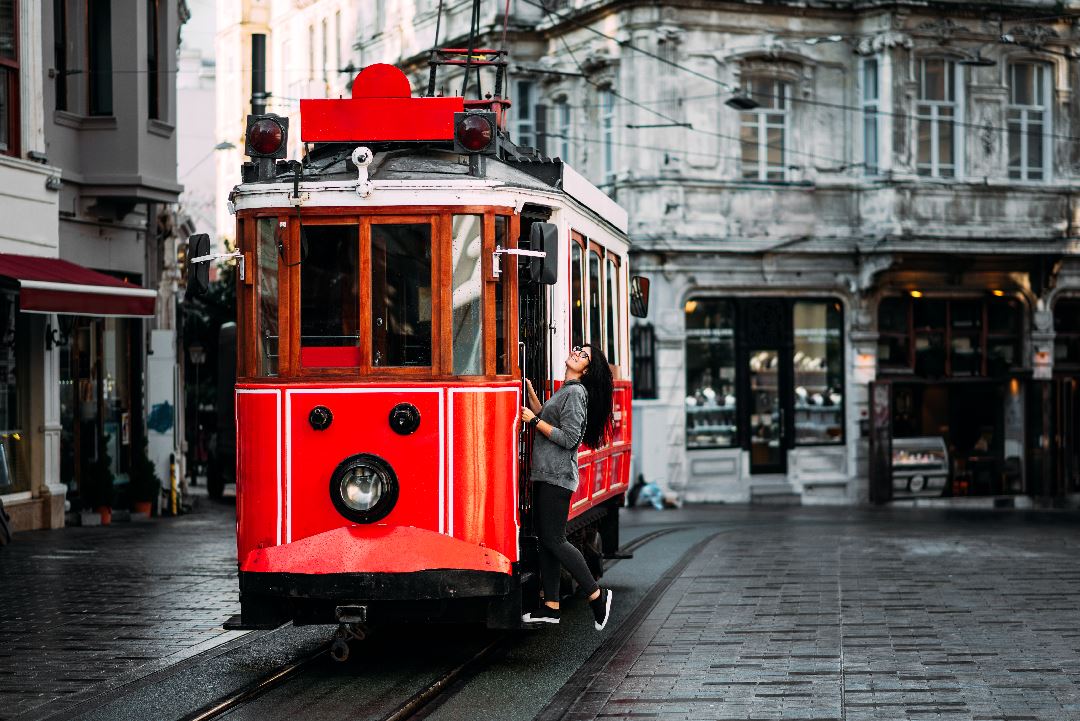
Beyoğlu is the sleepless face of Istanbul. It is always lively, colorful and crowded. It is a cosmopolitan Turkish mosaic where different ethnic cultures live together. The district has an atmosphere that almost summarizes the city. It is an indispensable district of Istanbul where you can meet people of all colors, find entertainment venues in different styles, street vendors from chestnut sellers to corn sellers on the streets, and experience the feeling of getting lost among the crowd with the music sounds spilling into the streets.
Location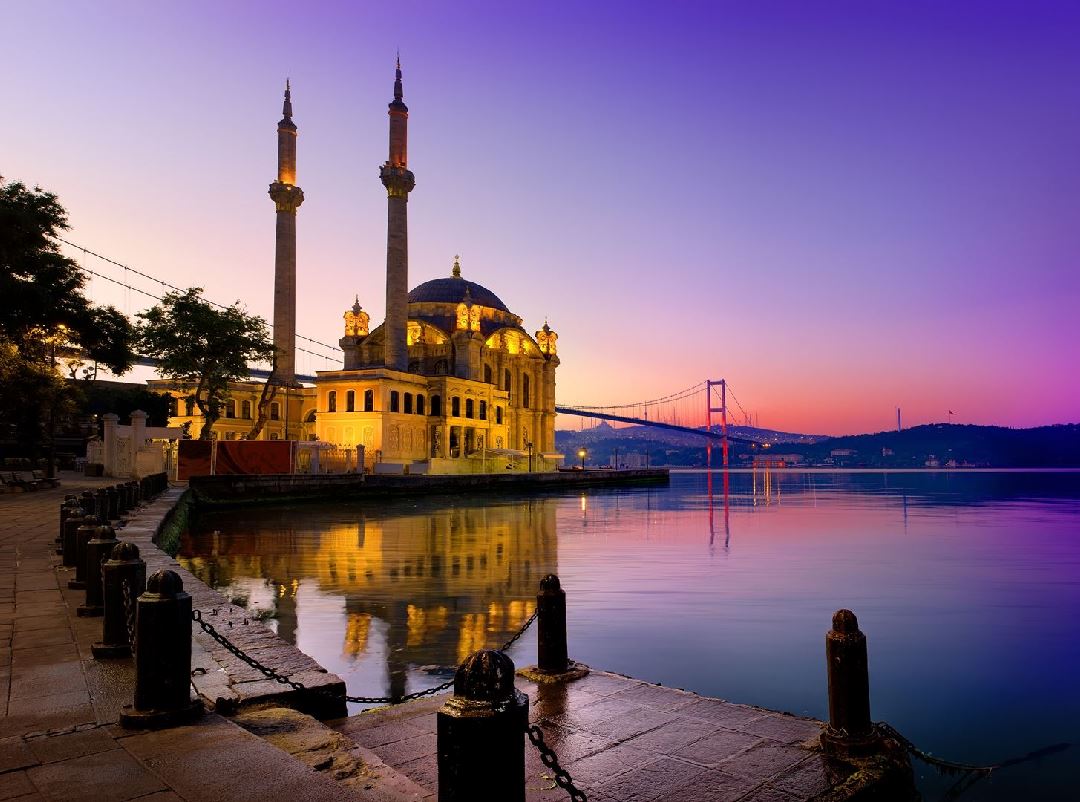
Büyük Mecidiye Mosque (Ortaköy)
Built between 1853 and 1855 by Sultan Abdülmecid, the Büyük Mecidiye Mosque is one of the most elegant examples of Ottoman Baroque architecture. Located in Ortaköy on the Bosphorus shore, the mosque's stunning white marble exterior and ornate interior make it a favorite among locals and tourists alike. The mosque's waterfront location provides a magnificent view, especially when illuminated at night. It is an iconic landmark that beautifully combines traditional Ottoman design with European baroque elements.
Location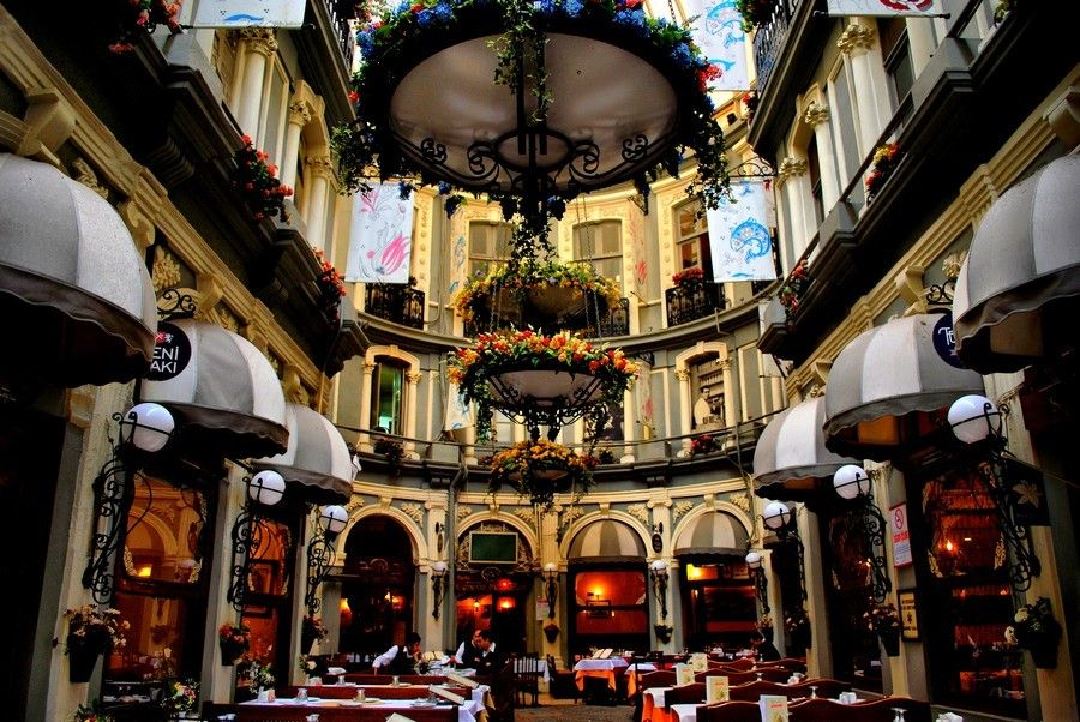
Flower Passage
Built to replace the Hoca Nazım Theater that was destroyed in the great Beyoğlu fire of 1870, the place took the name Flower Passage (Çiçek Pasajı) after many flower shops opened during the armistice years; until then it was mostly known as Hristaki Passage. The taverns that opened mainly in the 1940s (especially Nektar Beerhouse) began to attract large crowds of customers. In the 1950s, as florists began moving to other streets, new taverns continued to open in the vacant spaces. By the end of the 1950s, the name 'flower' remained more as a memory, and the passage completely took on its current tavern identity. The neglected building that suddenly collapsed overnight on May 10, 1978, was reopened in 2005 and now serves lovers of rakı, fish, and mezes accompanied by fasıl music.
Location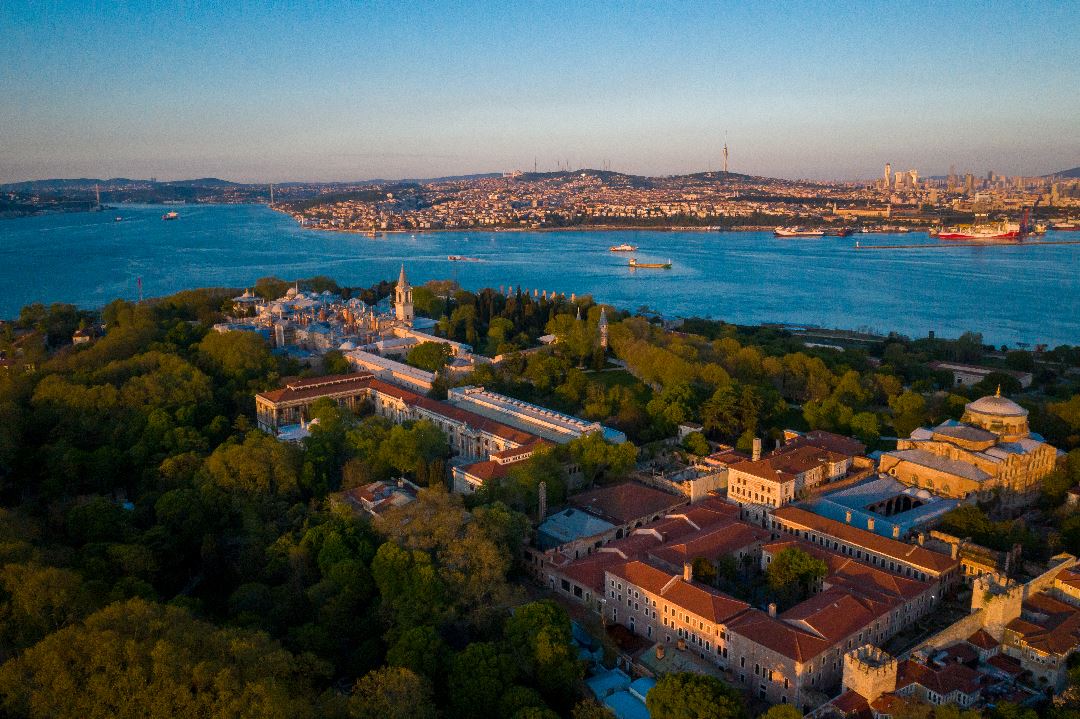
Topkapı Palace
Built in 1478 by Fatih Sultan Mehmet. Until the construction of Dolmabahçe Palace, it served as the administrative center of the state and the official residence of the Ottoman sultans for approximately 380 years. It was vacated when living began in Dolmabahçe, Yıldız and other palaces. Even after being abandoned by the sultans, it never lost its importance and was opened to visitors as a museum in 1924 after some minor repairs. Topkapı Palace, where the Ottoman sultans ruled the whole world especially during the ascension period, and the 'Spoonmaker's Diamond', kept in the palace and shown among the world's most famous diamonds, are among Istanbul's must-see treasures.
Location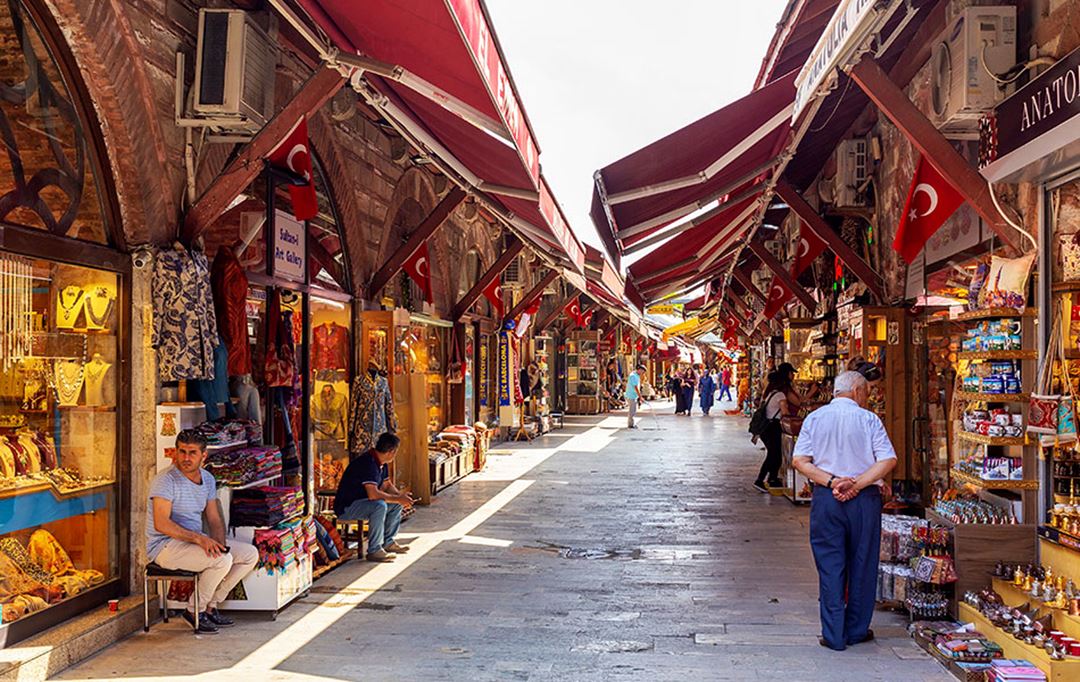
Arasta Bazaar
Arasta Bazaar was also called Sipahi Bazaar during the Ottoman period, as the equipment of the sipahis (cavalry soldiers) was sold here. Built with extensive renovation on old Byzantine remains, Arasta Bazaar consists of a street with approximately seventy shops on both sides selling traditional souvenir carpets, kilims, travel souvenirs, and İznik tiles. The discovery of mosaics belonging to the Byzantine Palace during excavations in this area in the 1930s proves that the area belonged to the palace complex. The bazaar, which was destroyed by a fire in 1912, remained in ruins for a long time and was restored in the 1980s and returned to Istanbul.
Location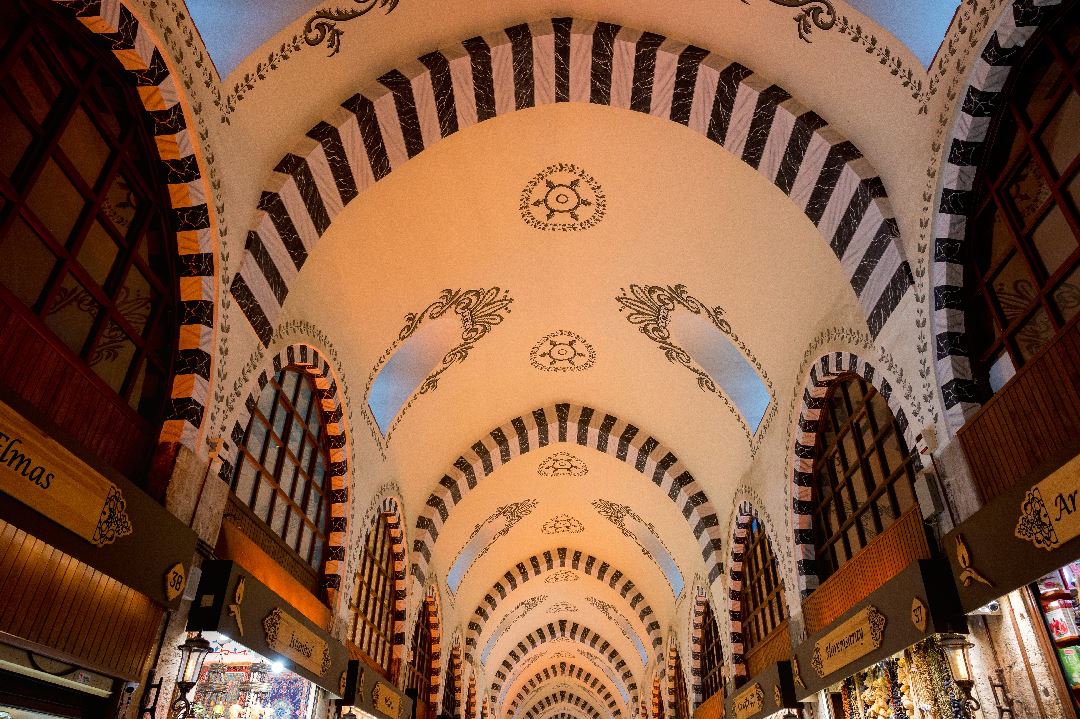
Grand Bazaar
The world's oldest and largest covered bazaar is in the center of Istanbul. The bazaar has nearly 60 streets and more than three thousand shops. Everyone in the world who has an interest in Istanbul includes the Grand Bazaar in their plans. The Grand Bazaar, which is always bustling, lively and inviting, is one of the places in Istanbul that must be seen and experienced.
Location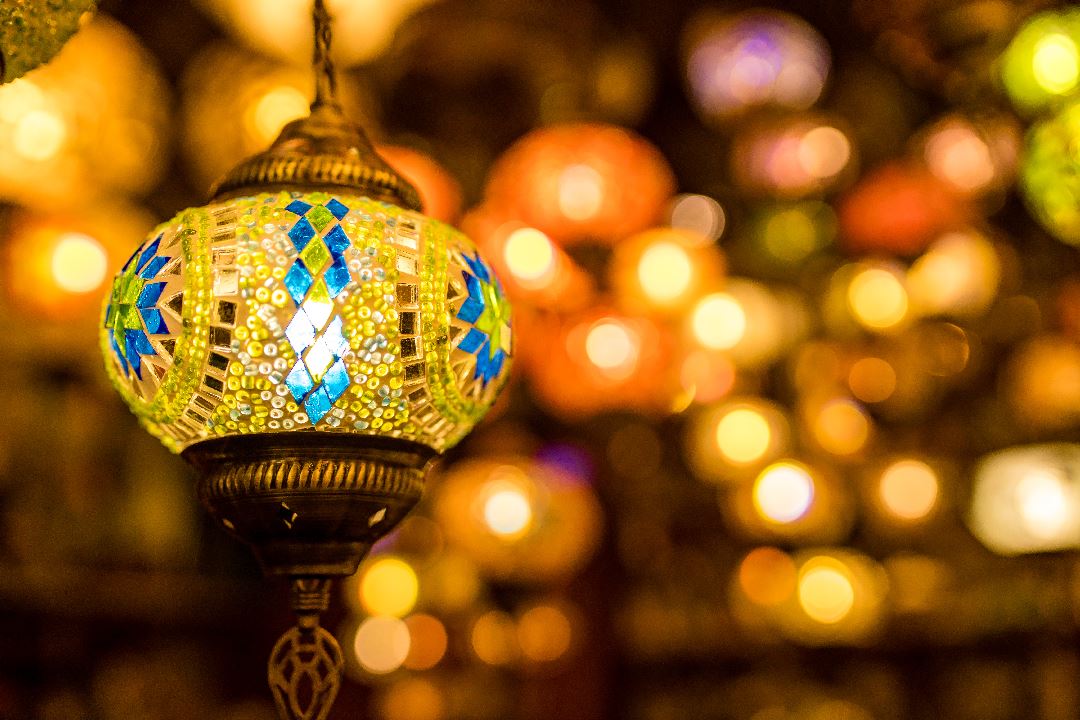
Spice Bazaar
The Spice Bazaar, which started out as Istanbul's pharmacy, was built by Turhan Sultan in 1660. In this bazaar famous for its herbalists, natural medicines, spices, flower seeds, rare plant roots and barks are still sold in accordance with its old tradition, as well as dried fruits, delicatessen products and various food items. The bazaar is also open on Sundays. This historic magical structure awaits its visitors in the middle of Eminönü with its colorful atmosphere accompanied by mixed spice aromas.
Location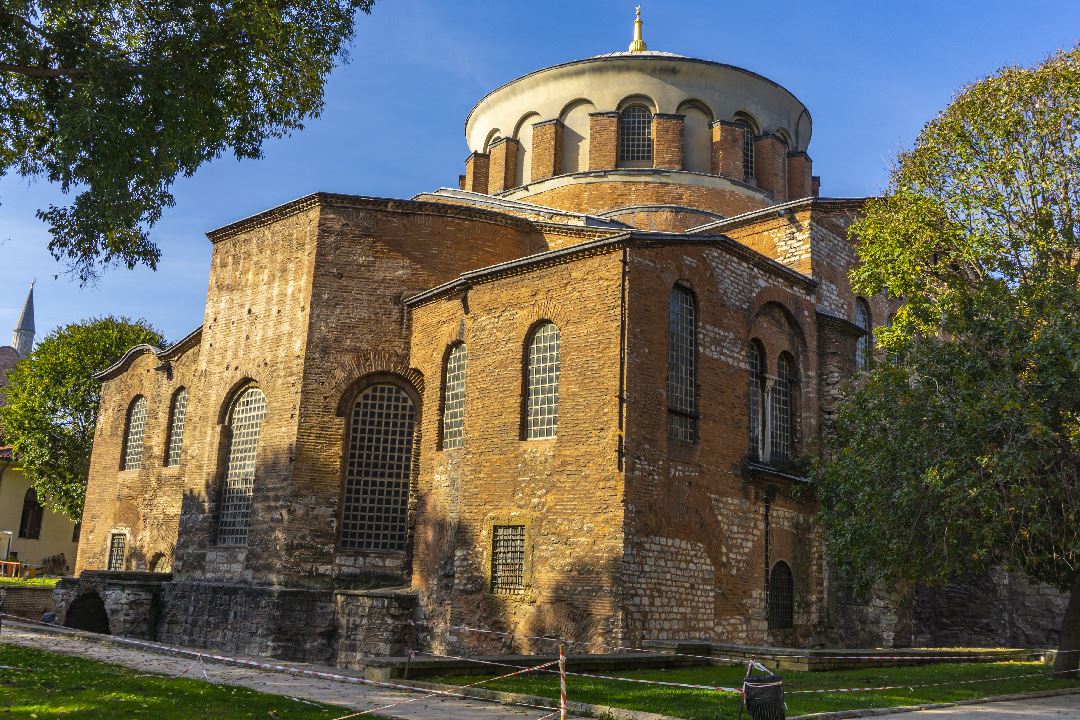
Hagia Irene
Located in the 1st courtyard of Topkapı Palace, Hagia Irene was built in the 6th century during the reign of Emperor Justinianus. It is a typical Byzantine structure with its materials and architecture. It is the only church with an atrium in Istanbul that has survived to the present day. Since the church was not converted into a mosque after the conquest of Istanbul in 1453, no significant changes were made to the structure. Hagia Irene, one of the first churches of Byzantium, reflects all the architectural features of the 1st Justinianus period. The structure, which was used as a booty and weapon depot for a long time, was named Museum-i Hümayun in 1869, assigned as a military museum starting from 1908, and is also used for concerts and shows.
Location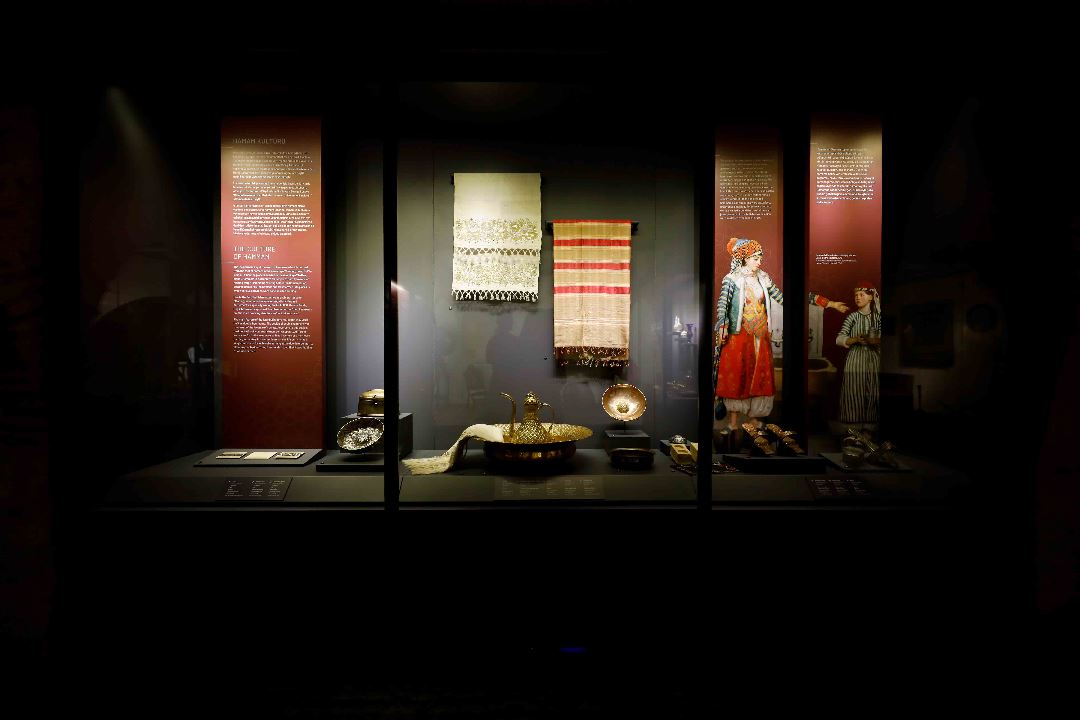
Turkish and Islamic Arts Museum
It is the first Turkish museum to comprehensively contain Turkish and Islamic art works. It was opened to visitors in 1914 under the name 'Evkaf-ı Islamiye Museum' in the imaret building within the Süleymaniye Mosque complex, one of the most important works of Architect Sinan. After the proclamation of the Republic, it took the name 'Turkish and Islamic Works Museum'. It was moved to Ibrahim Pasha Palace in 1983. It received the European Council's Museum of the Year Competition jury special award in 1984, and in 1985 it received the award given by the European Council - UNESCO for its work on making children love cultural heritage. It is among the world's leading museums in its field and has select works from almost every period and type of Islamic art with its collection exceeding 40,000 pieces.
Location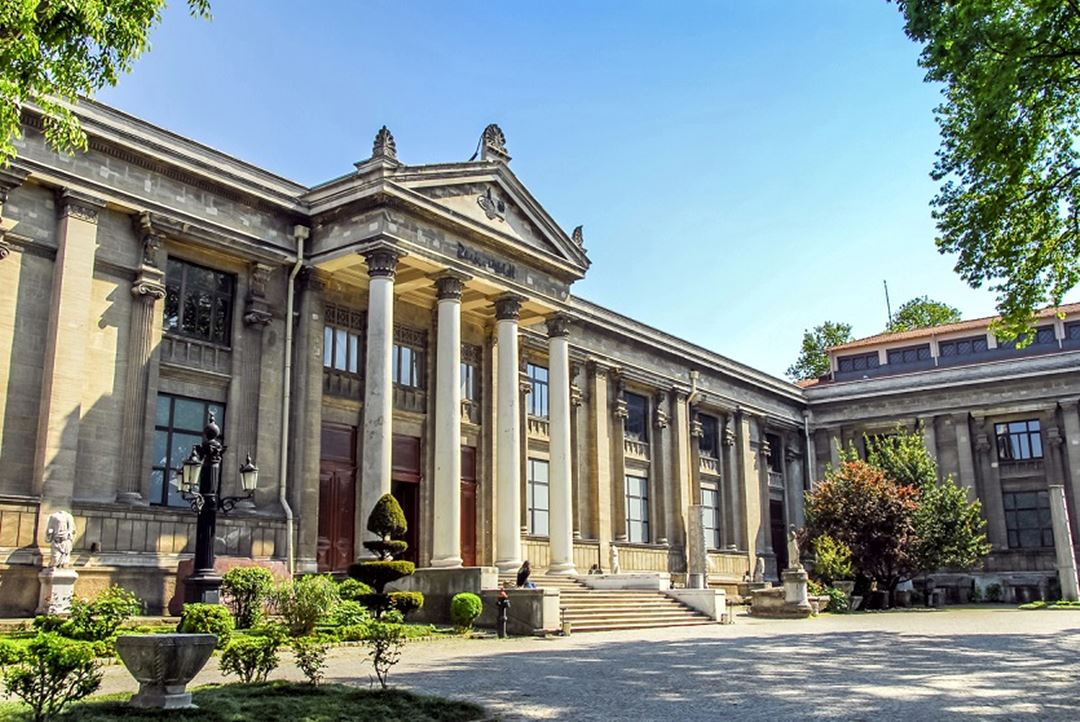
Archaeology Museum
The museum, founded by painter and archaeologist Osman Hamdi Bey, was opened on June 13, 1891, under the name Museum-i Hümayun. The architect of the monumental building is Vallaury. Unique sculptures from the Archaic Age to the Roman period are lined up. It was built by Osman Hamdi Bey in 1883 as the first Sanay-i Nefise School in our country. The Ancient Oriental Works Museum, located inside the building, was built as a summer pavilion by Fatih Sultan Mehmet in 1472 and is our country's richest and most important museum. It was selected as 'Museum of the Year' by the European Council in 1992.
Location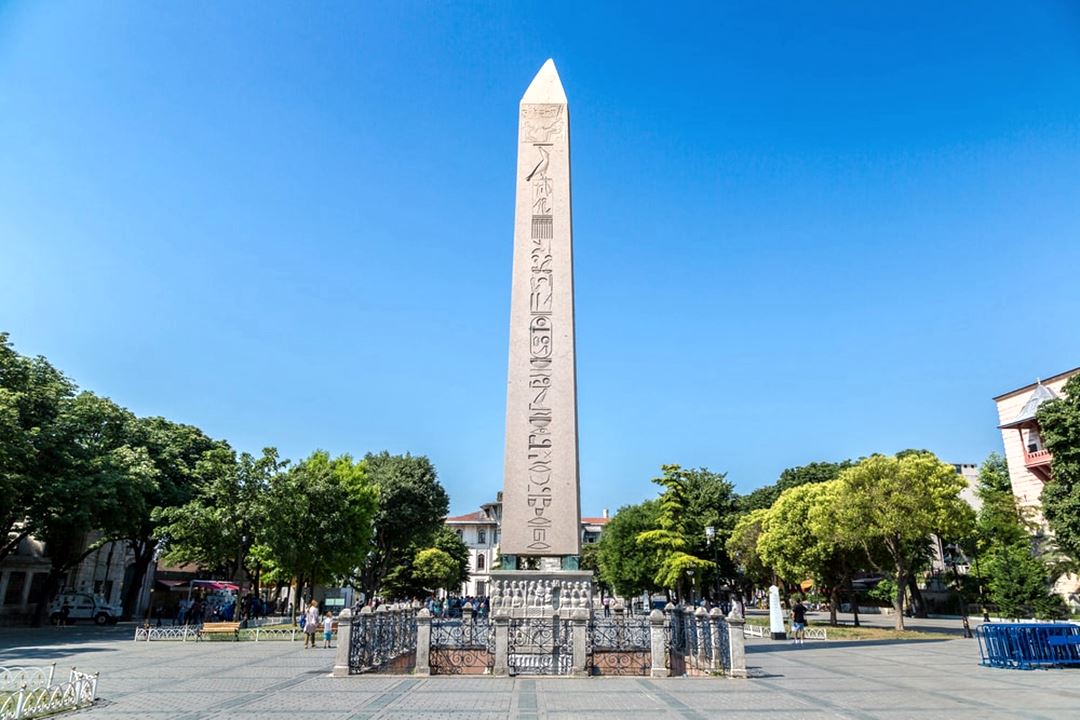
Obelisk
Obelisks have been taken from Ancient Egypt to various cities around the world. The obelisk in Istanbul was first erected around 1547 BC in the city of Annu, which the Greeks called Heliopolis, in the name of Pharaoh Thutmose III. The victories of Thutmose are written on it in hieroglyphic script. The stone first caught the attention of Byzantine Emperor Constantinus, who requested that Egyptians send the stone to him. The obelisk was erected in the Hippodrome around 390 AD by order of Byzantine Emperor Theodosius. On the reliefs on the base, Theodosius I is seen with his sons Arcadius and Honorius opposite Emperor Valentinianus II. There are also hippodrome scenes and depictions showing the erection of the monument.
Location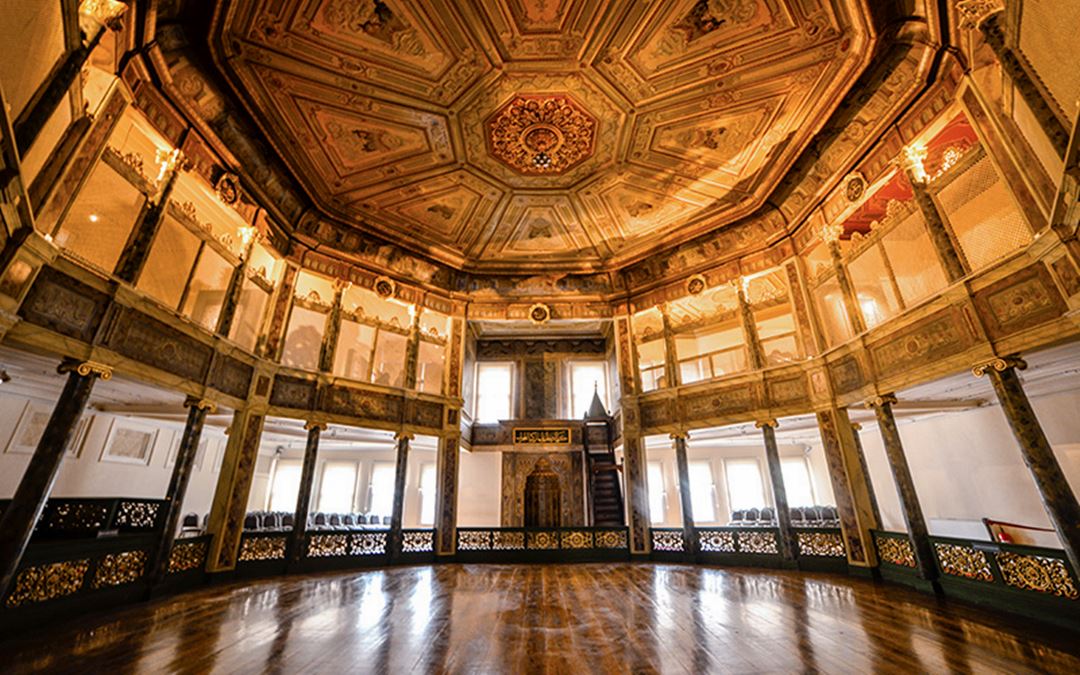
Galata Mevlevi Lodge
Galata Mevlevihane, also known as Kulekapı Mevlevihane, which was opened to service as a museum in 1975, is one of the institutions reflecting the culture and art of its era. Located at the beginning of the slope descending to Yüksekkalhırım in Beyoğlu, the structure is Istanbul's oldest mevlevihane. Built as a complex in 1491, the Mevlevihane now operates as a museum. The influence of Mevlevihaneler on Turkish culture, which combined music and science together for centuries, is great. Witnessing a sema ceremony at Galata Mevlevihane will be a unique experience.
Location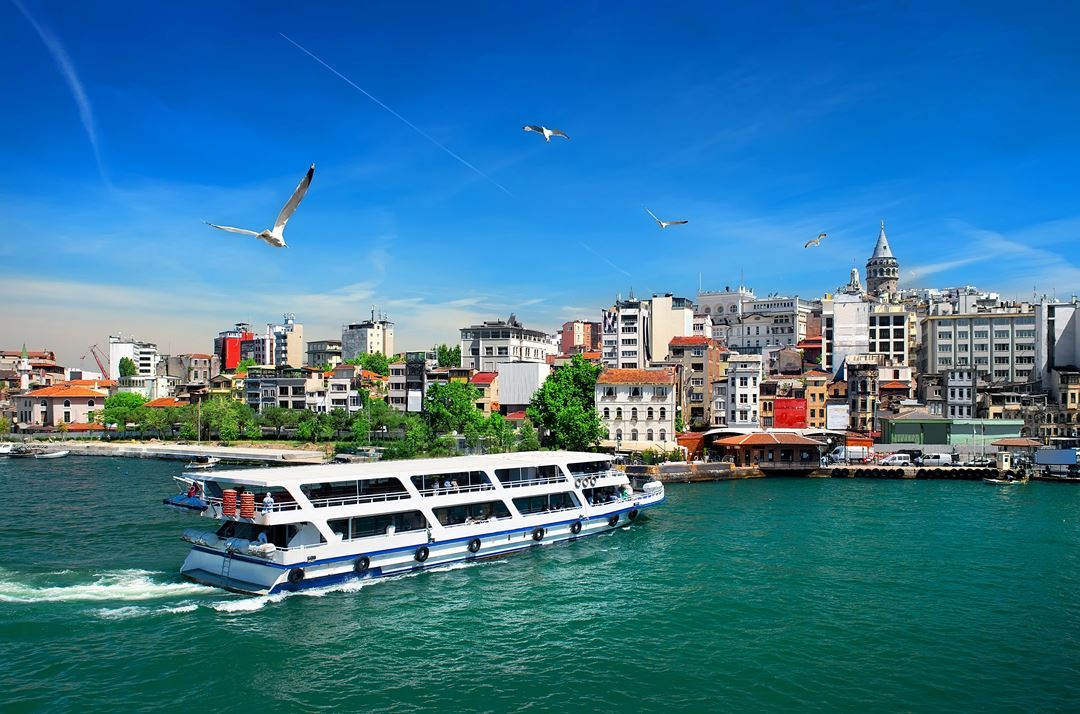
Galata Tower
Built in 528, used as a dungeon in the 15th century and as a fire tower in the 16th century, the tower where Hezarfen Ahmet Çelebi made the first flight in history with wooden wings he attached, is one of the most important works of Genoese architecture. The cafes and restaurants of Galata Tower, where you can watch the panoramic Istanbul view, open every morning at nine and serve until midnight. The district, which has taken on a different spirit with the presence of Galata Tower surrounded by civilizations, also promises pleasure in the boutique establishments around it.
Location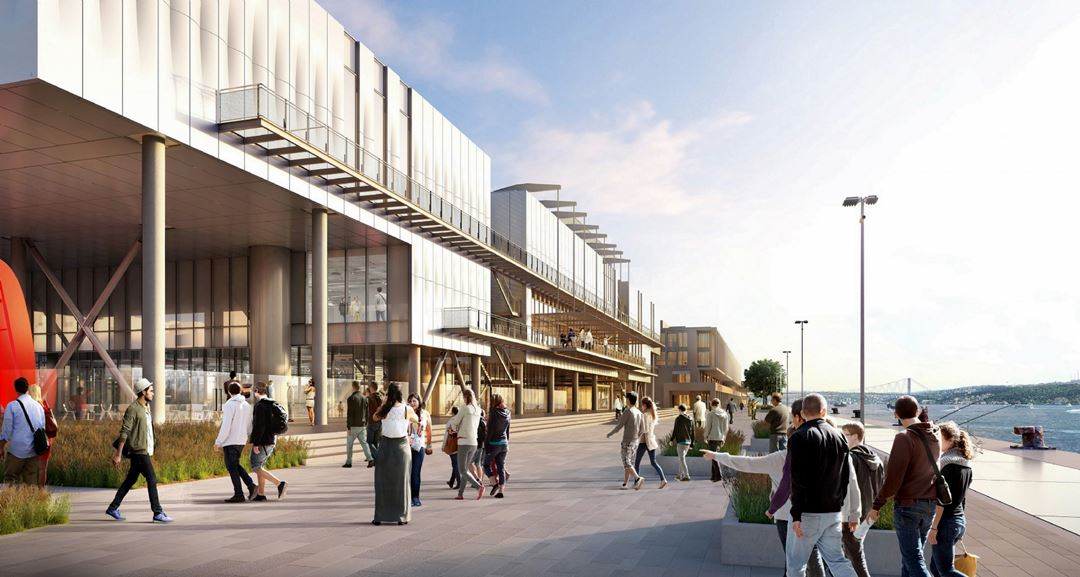
Istanbul Modern
Istanbul Modern is one of the first addresses in the city that goes beyond the classical museum concept with the social programs and educational projects it hosts. Both permanent and temporary exhibitions are held at the museum. Istanbul Modern has a cafe where you can relax and a library where you can find art-related materials. Independent films are shown in its cinema.
Location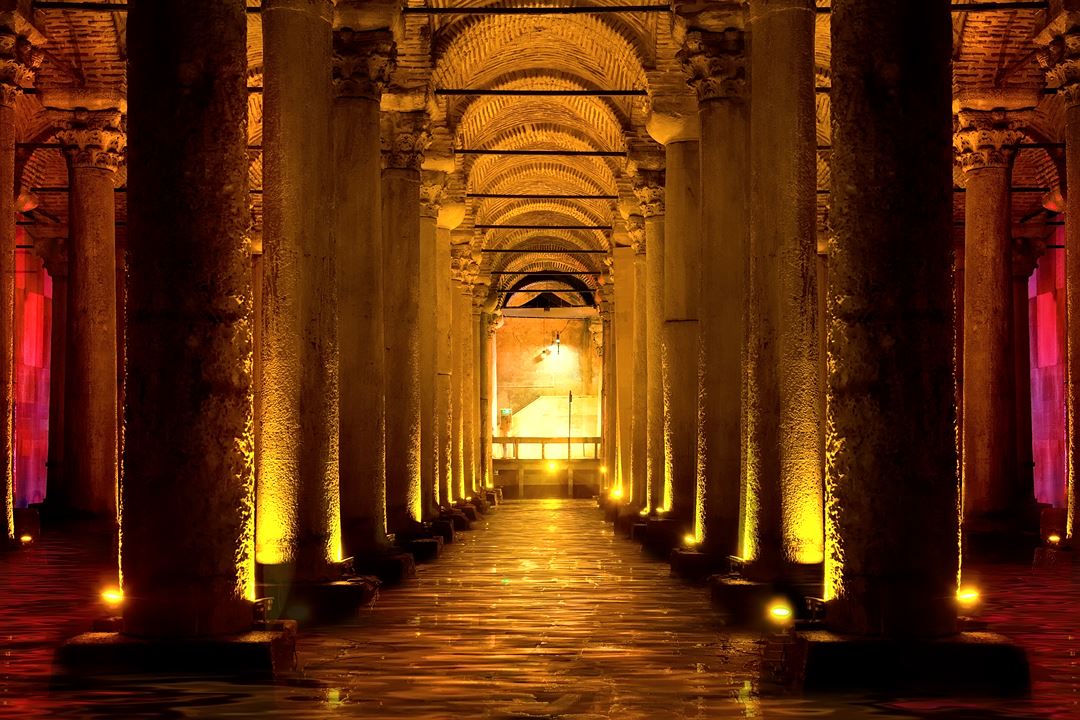
Basilica Cistern
According to sources, the Binbirdirek Cistern was built in the 4th century by Emperor Constantinus Philoxenus, and the Basilica Cistern was built in 542 by Byzantine Emperor Justinianus I to meet the water needs of the palace. The Basilica Cistern has 336 columns, each 9 meters high. Both cisterns in the middle of the Historical Peninsula have legends that have been passed down from generation to generation. The interesting legends of the Basilica Cistern and Binbirdirek Cistern make the structures more mysterious and intriguing. The history-scented atmosphere of these important structures of Istanbul is worth seeing.
Location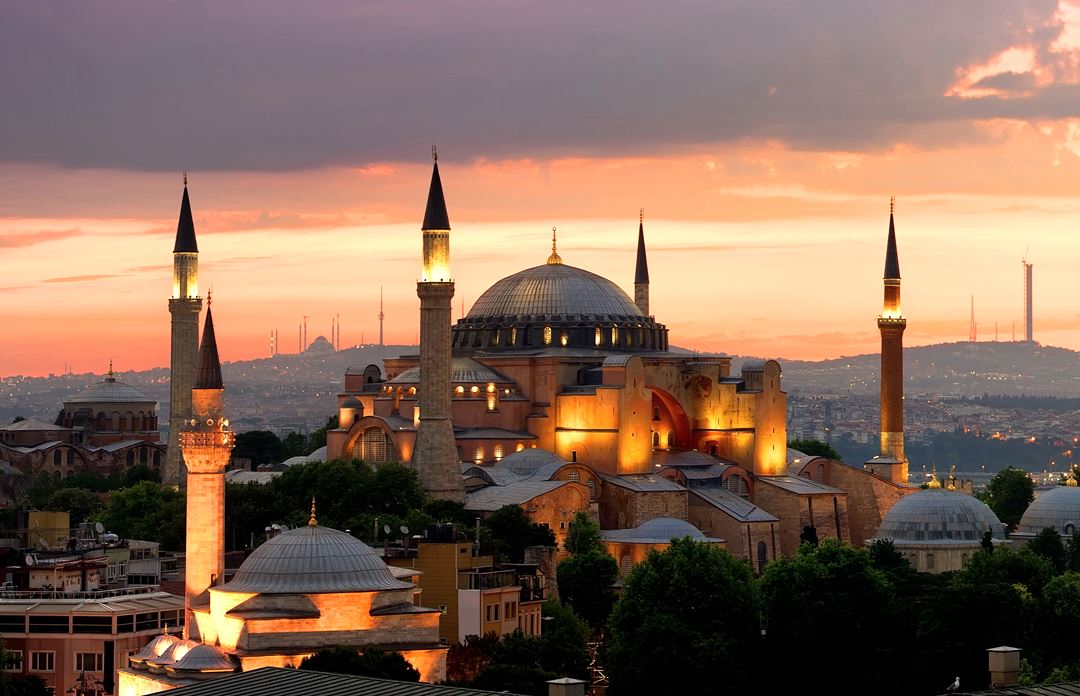
Hagia Sophia Mosque
Hagia Sophia, one of the most important structures that has survived from history to the present, is a monumental work built by Byzantine Emperor Justinian in 537. It was used as a church called the 'great church' in the Byzantine Empire for 916 years, used as the 'Great Mosque' in the Islamic world and Ottoman Empire for 481 years, and was converted into a museum by a Council of Ministers decision dated November 24, 1934. On July 10, 2020, the said Council of Ministers decision was canceled, and immediately afterwards, by presidential decree published with the signature of President Recep Tayyip Erdoğan, Hagia Sophia was reopened for worship. Don't forget to see Istanbul's gem, this masterpiece that captivates those who see it with its magnificence and architecture.
Location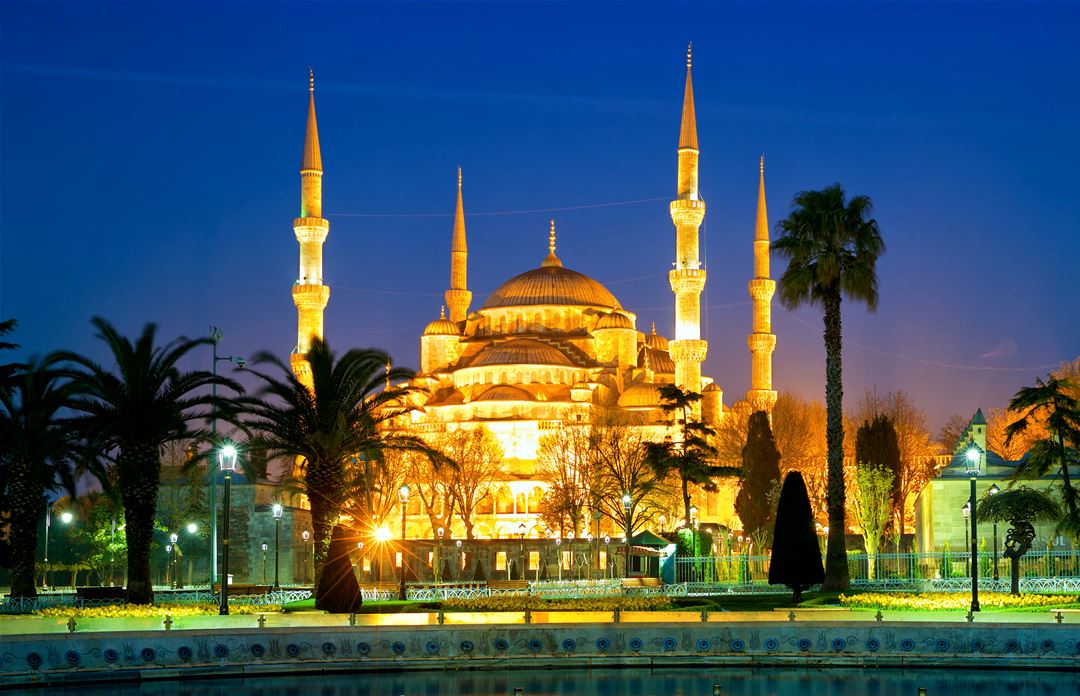
Sultanahmet Mosque
Sultanahmet Mosque was built between 1609-1616. The mosque is called the 'Blue Mosque' by Europeans because it is decorated with more than 20,000 blue, green and white colored İznik tiles, and the inside of its semi-domes and large dome is also decorated with calligraphy work, predominantly blue. When Hagia Sophia was converted from a mosque to a museum in 1934, it became Istanbul's main mosque. In fact, Sultan Ahmet Mosque with its complex is one of the largest building complexes in Istanbul. This complex consists of a mosque, madrasas, sultan's lodge, arasta, shops, bath, fountain, sebils, mausoleum, darüşşifa, elementary school, soup kitchen and rental rooms.
Location